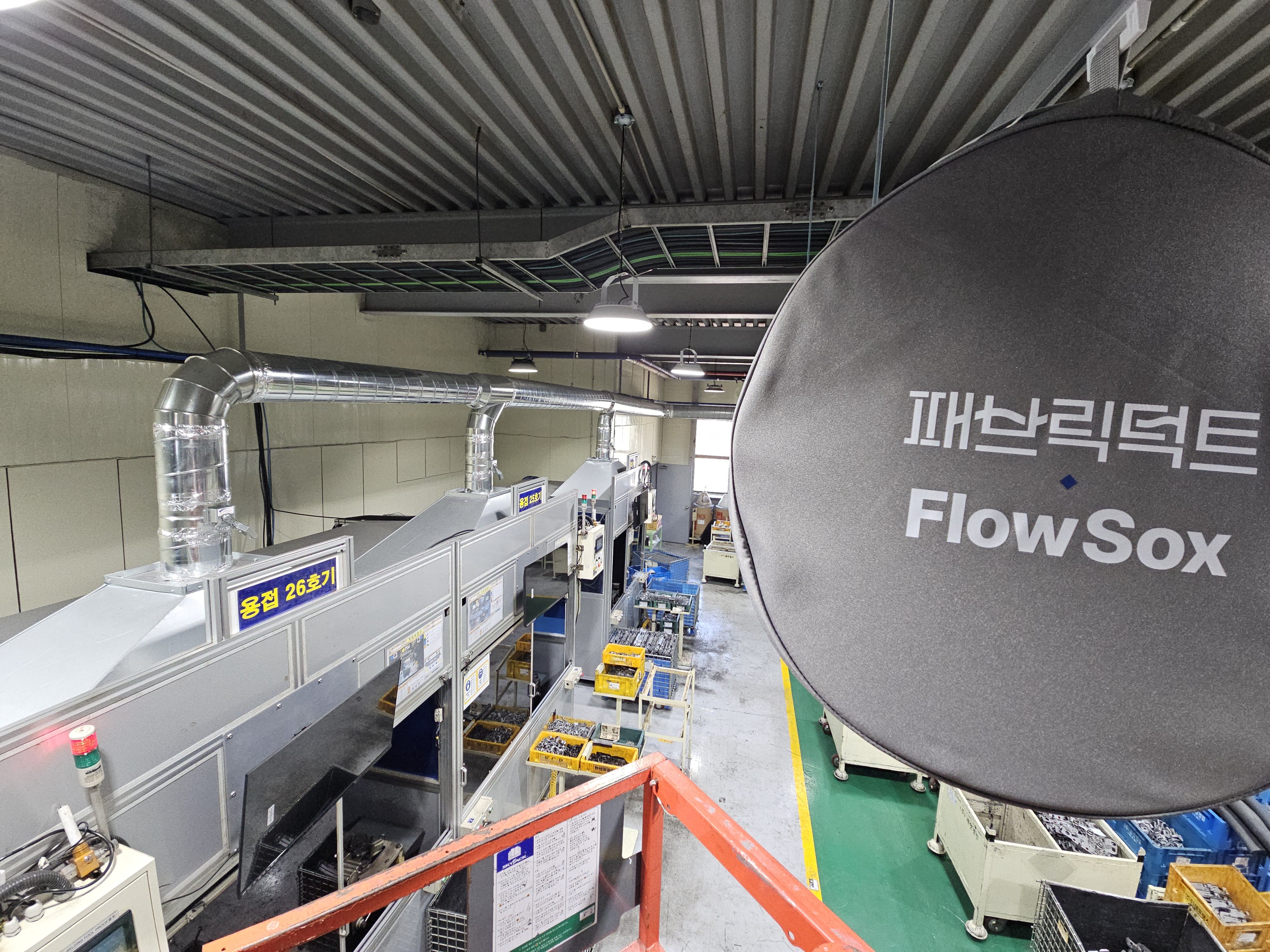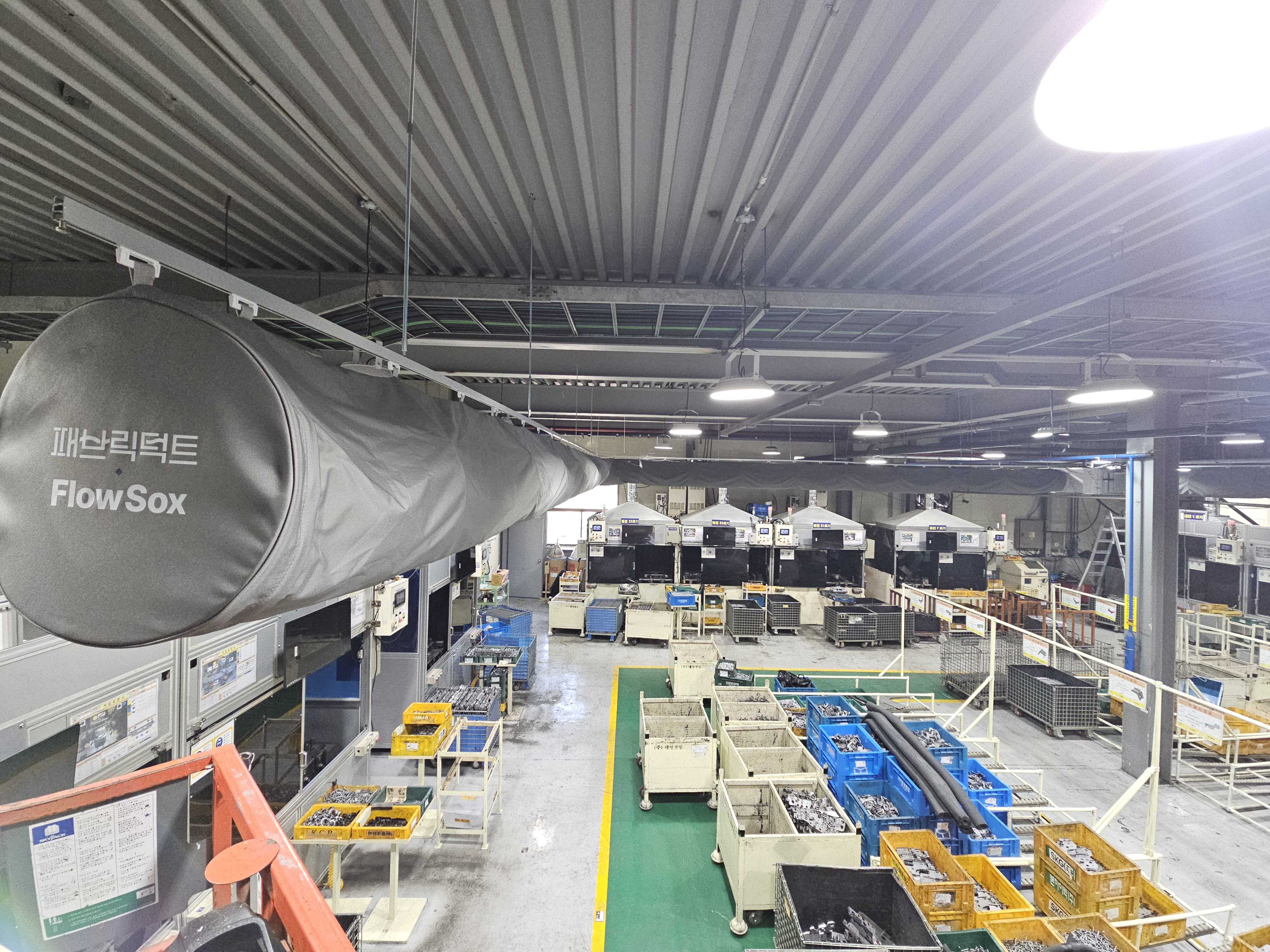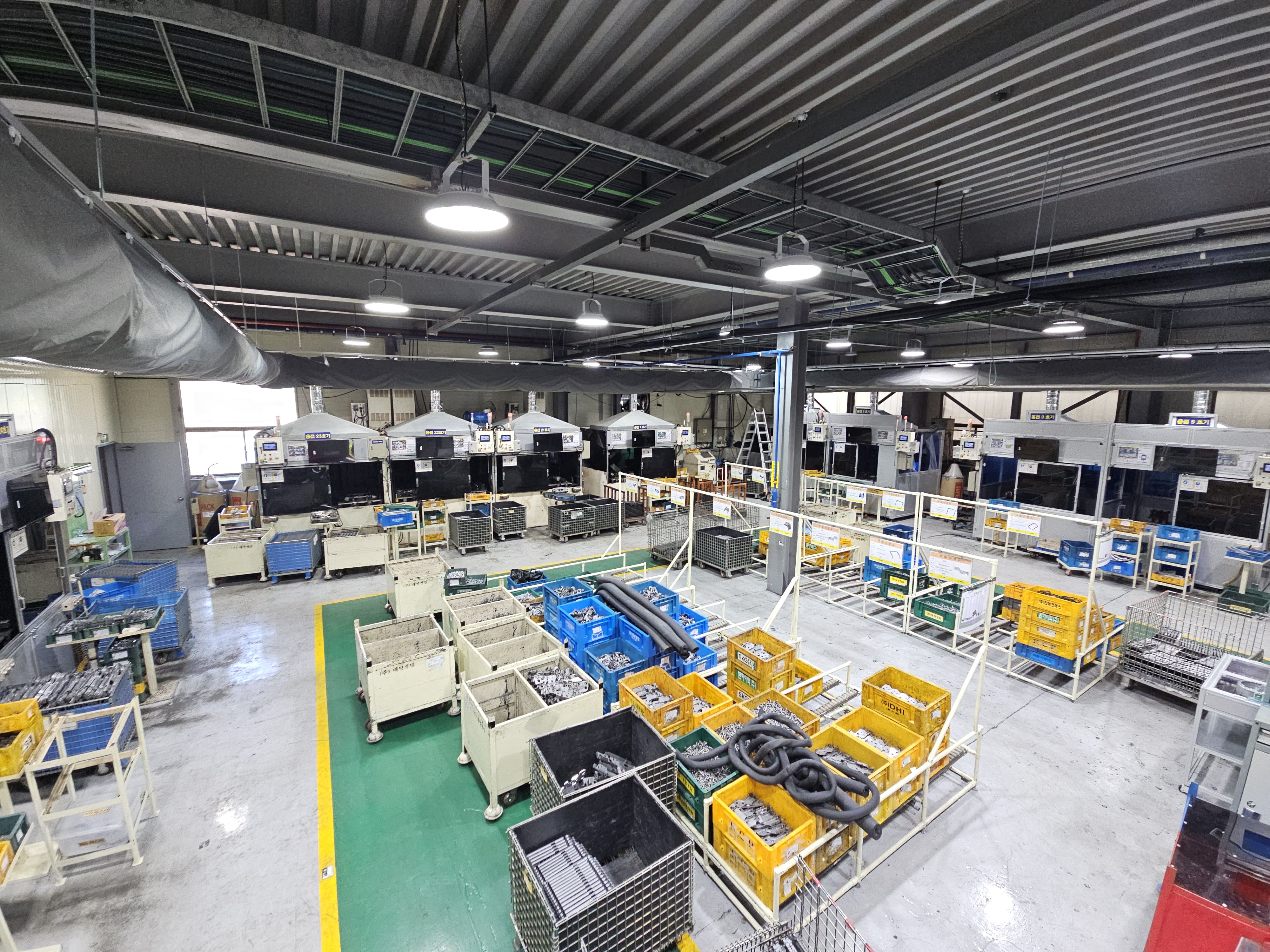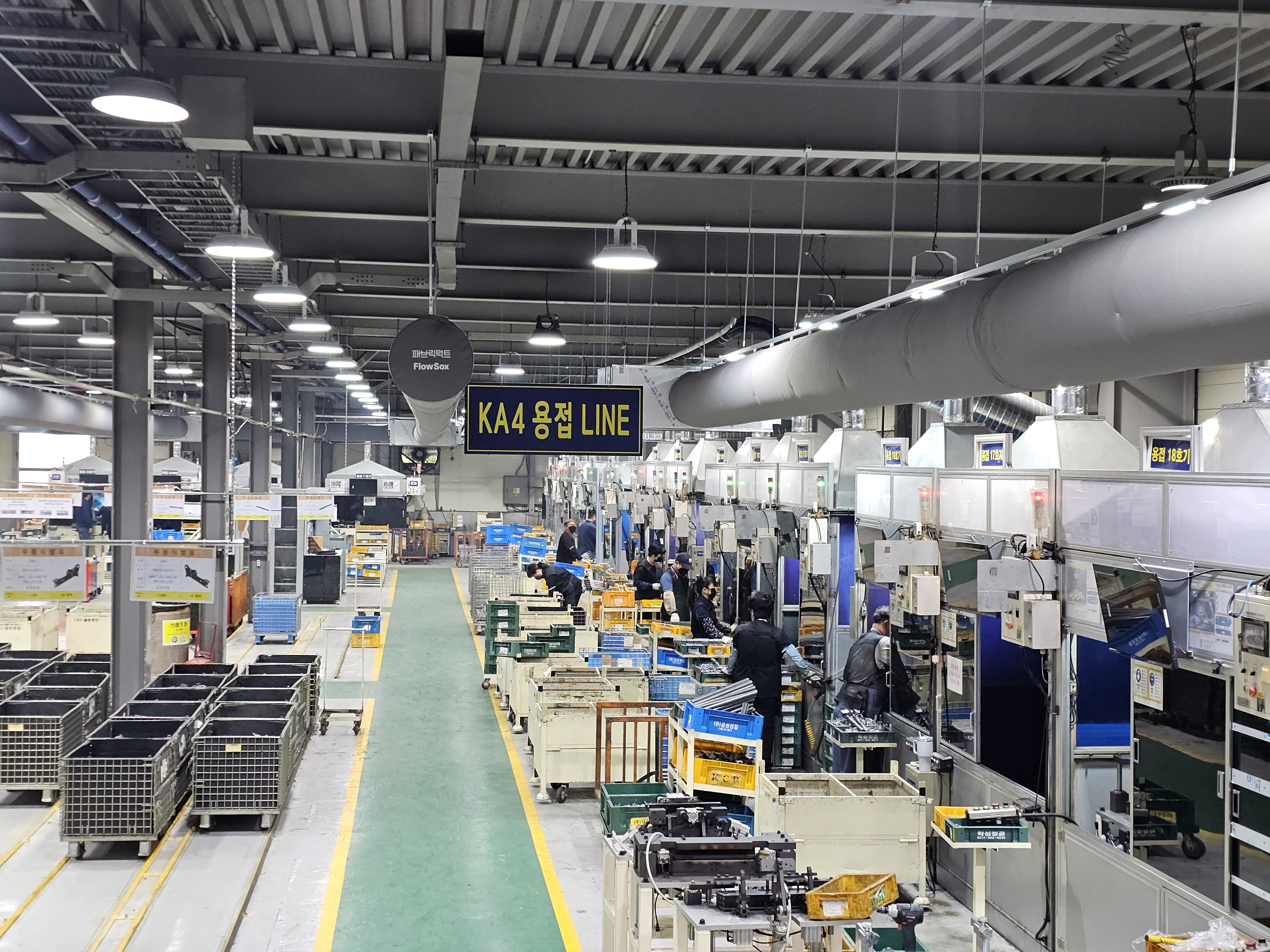
Production equipment and processes generated high temperatures around the line. Areas occupied for long periods imposed a substantial heat burden and required improvement.
The existing system supplied cooling to the overall factory but did not sufficiently reach individual workers, limiting the improvement they could feel.
If supply air was directed too strongly above the welding equipment, fumes could be pushed away from extraction points and spread into the factory instead of being fully exhausted.
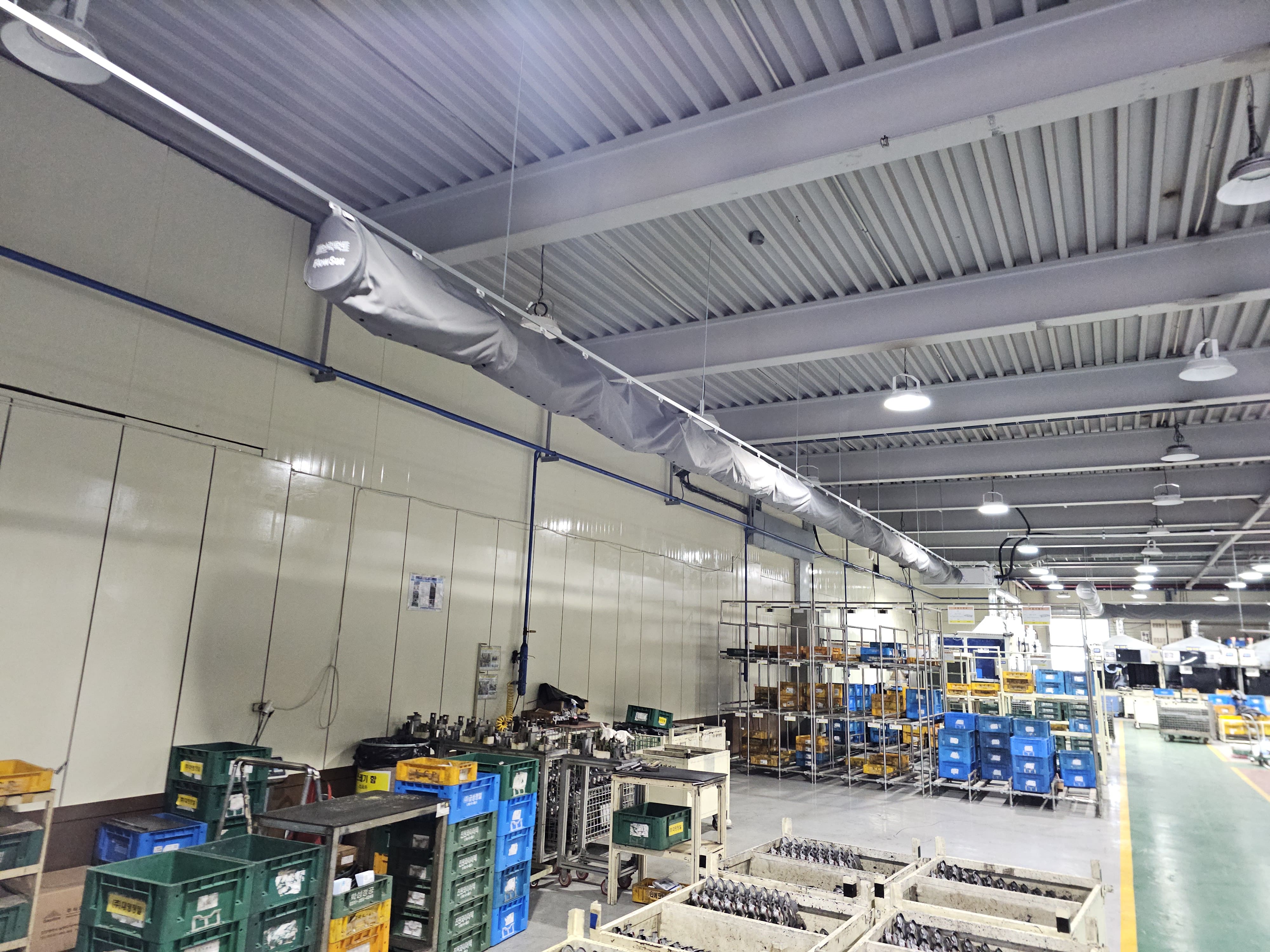
Instead of excessive whole-factory cooling, air was supplied to the lines where people actually worked, concentrating cooling energy where needed.
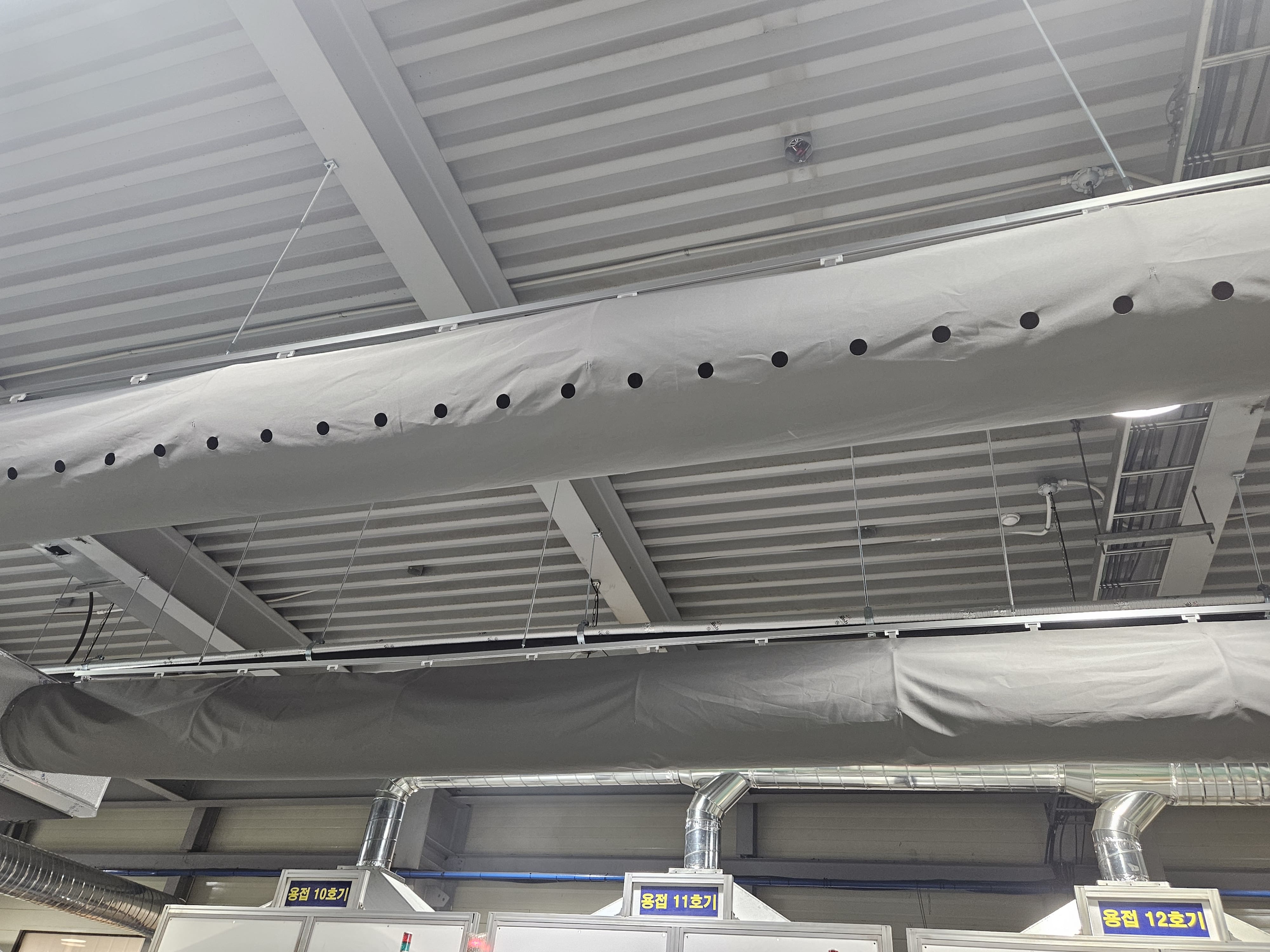
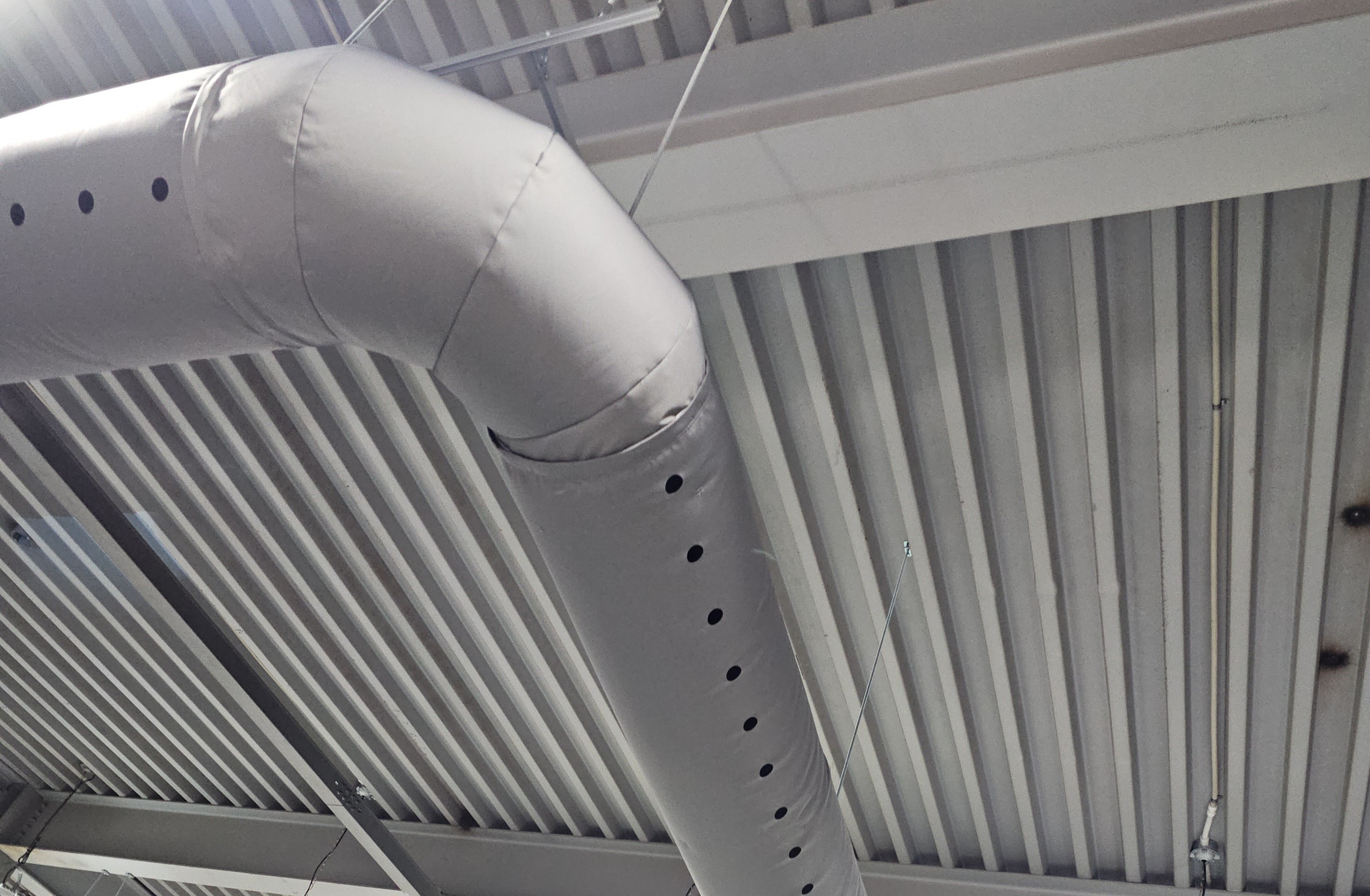
Outlet positions and directions were tailored to the site so cool air reached the occupied zone rather than remaining above it.
We reviewed welding equipment, exhaust positions and extraction airflow together, adjusting supply angles and volumes to avoid interfering with welding-fume removal.
Direct delivery to worker positions improved the cooling felt along the line, focusing on people working around hot equipment.
Reducing cool air trapped overhead or concentrated in isolated areas allowed airflow to reach occupied zones across the large factory.
Minimizing interference between supply and exhaust reduced fume dispersion into the workplace and supported reliable extraction through the overhead exhaust outlets.
.jpg)
.jpg)