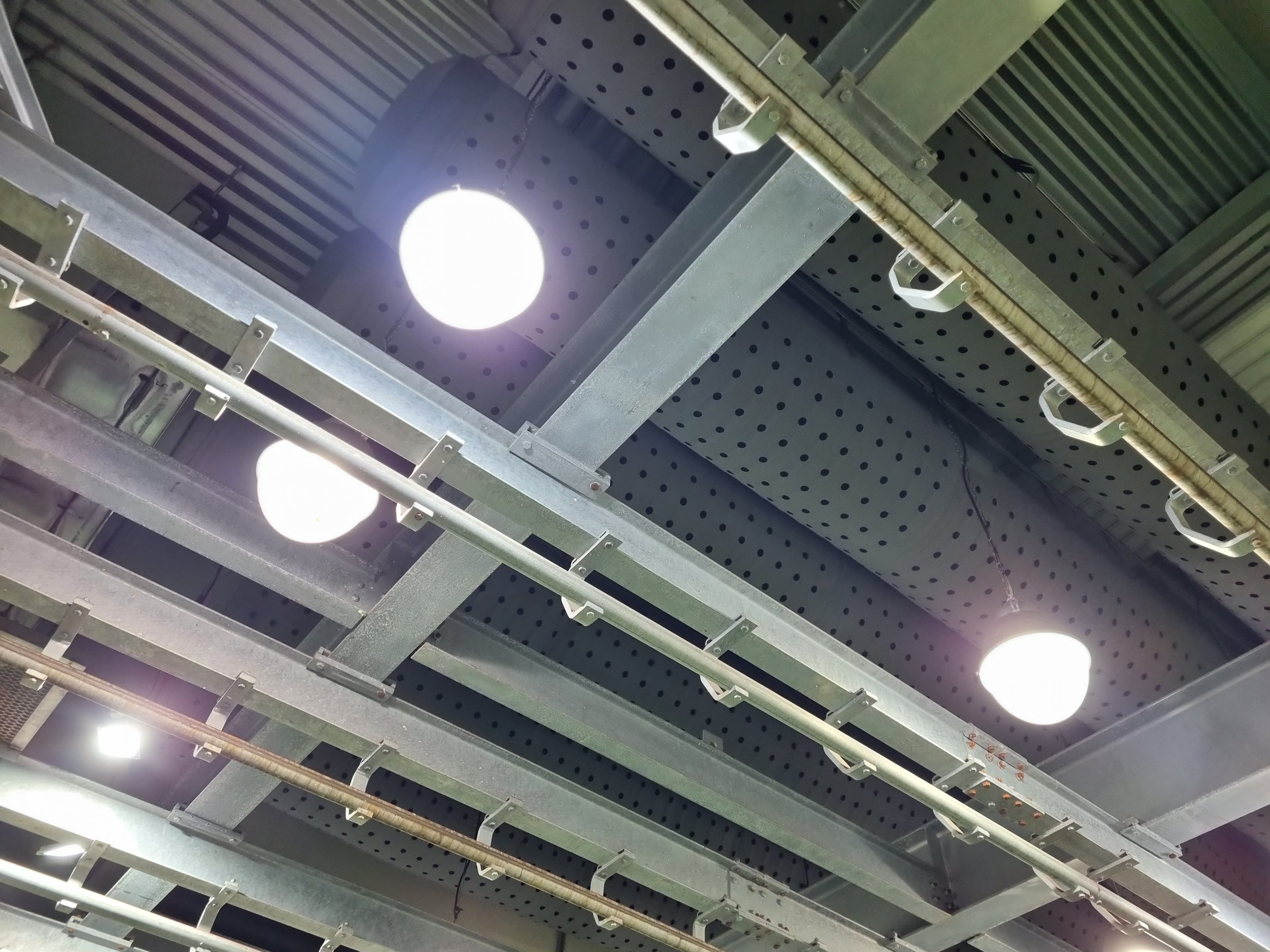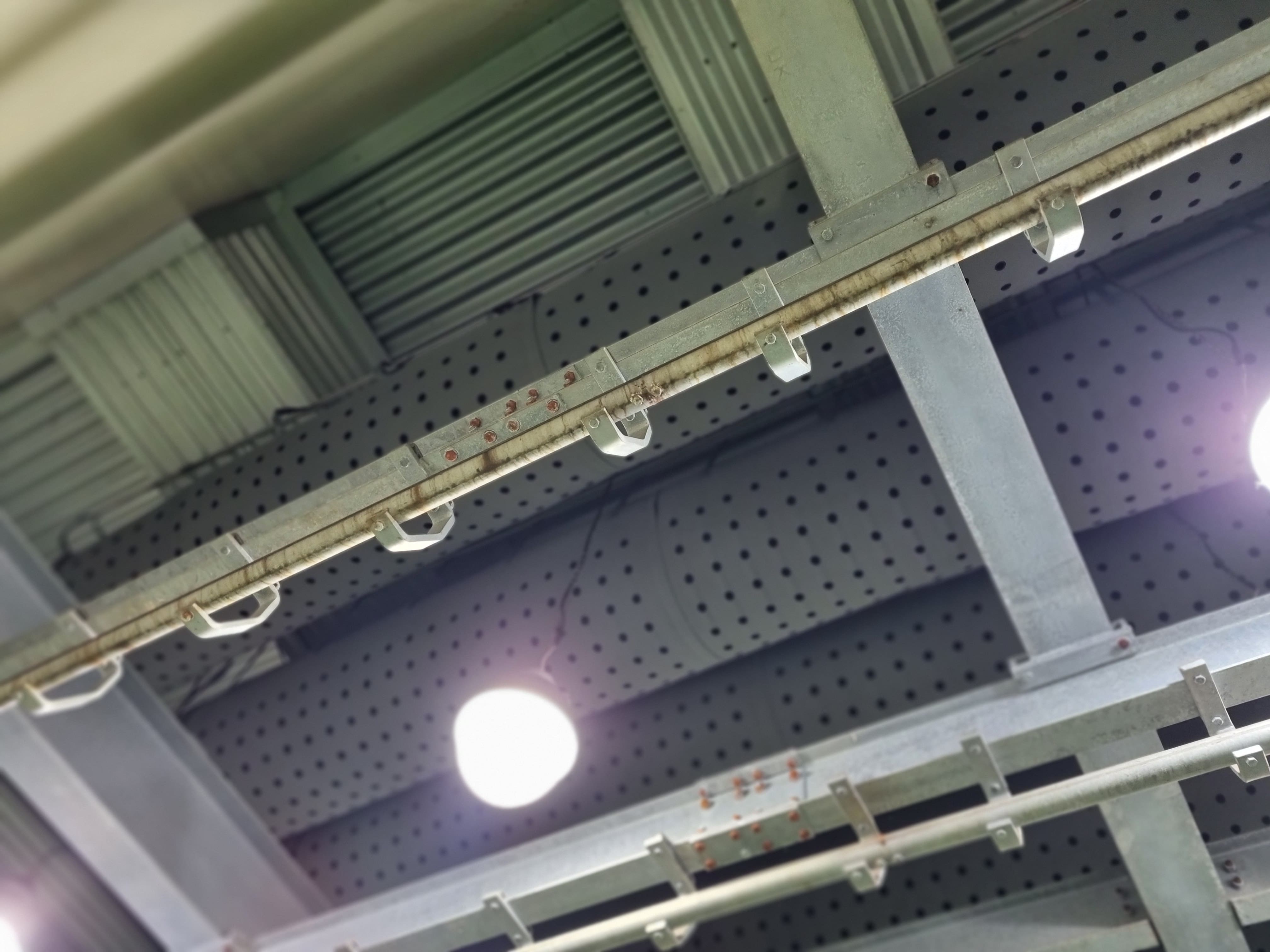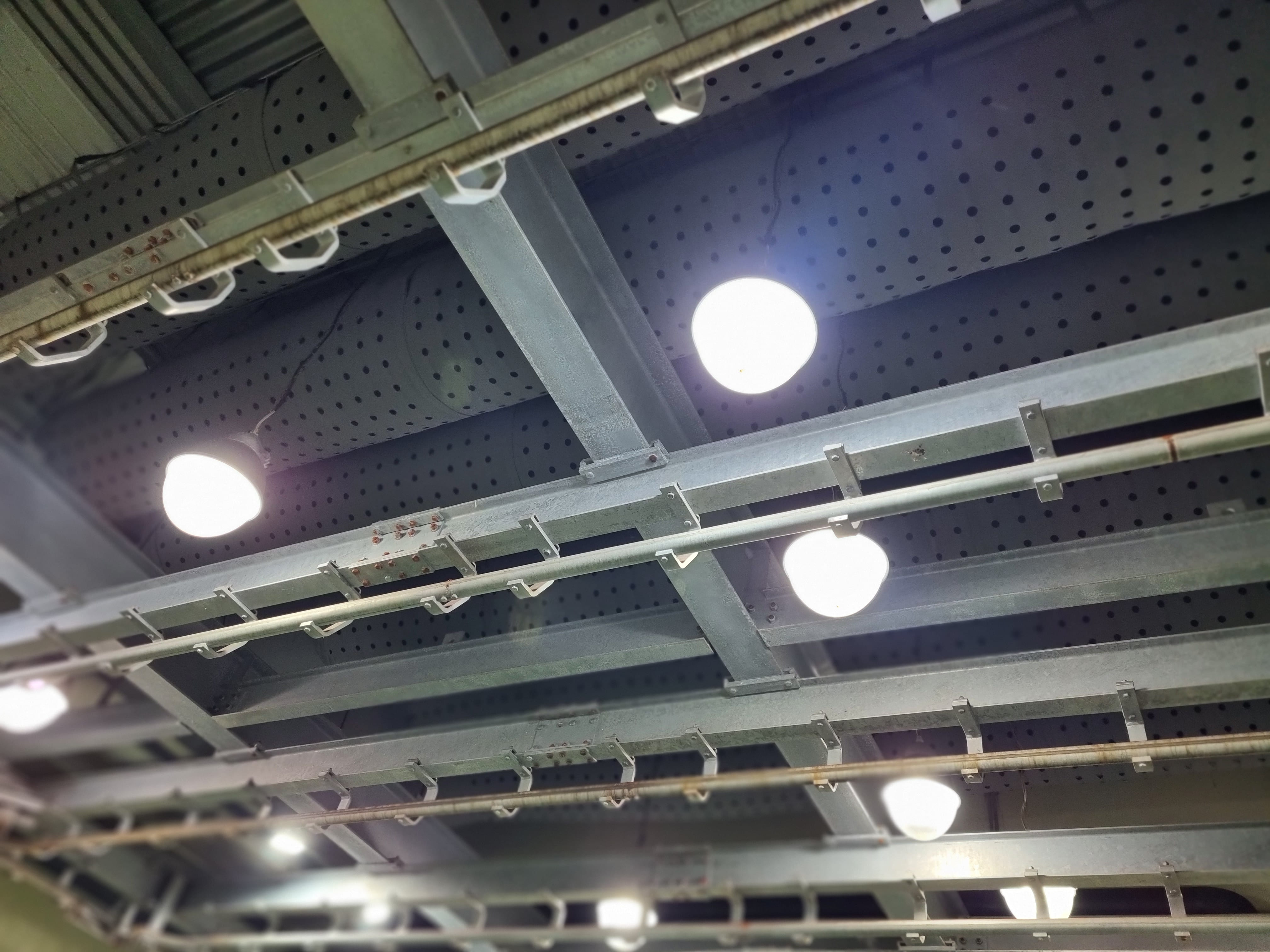
Strong direct unit-cooler airflow rapidly dried carcass surfaces. The resulting weight loss reduced profitability.
Excessive air velocity could cause cold shock and surface hardening, contributing to changes in meat color and quality.
If cool air could not pass uniformly between closely hanging carcasses, inner carcasses cooled more slowly, increasing microbial and spoilage risks.
Final air velocity at the carcass surface was designed to stay at or below 0.7 m/s, delivering cooling effectively while suppressing evaporation and weight loss.
WideFlow guided cool air gently between carcasses, reducing core temperatures quickly and uniformly.
Permeable fabric prevented surface condensation in the cold, humid room and avoided cross-contamination from drips. Washable antibacterial material improved hygiene maintenance.
Precision low-speed airflow minimized moisture loss compared with the previous metal ducts, retaining more final shipment weight.
Gentle, uniform cooling eliminated surface discoloration and hardening, helping maintain meat quality.
Three-dimensional air distribution improved unit-cooler efficiency. Uniform cooling without stagnant zones optimized pre-chilling time.