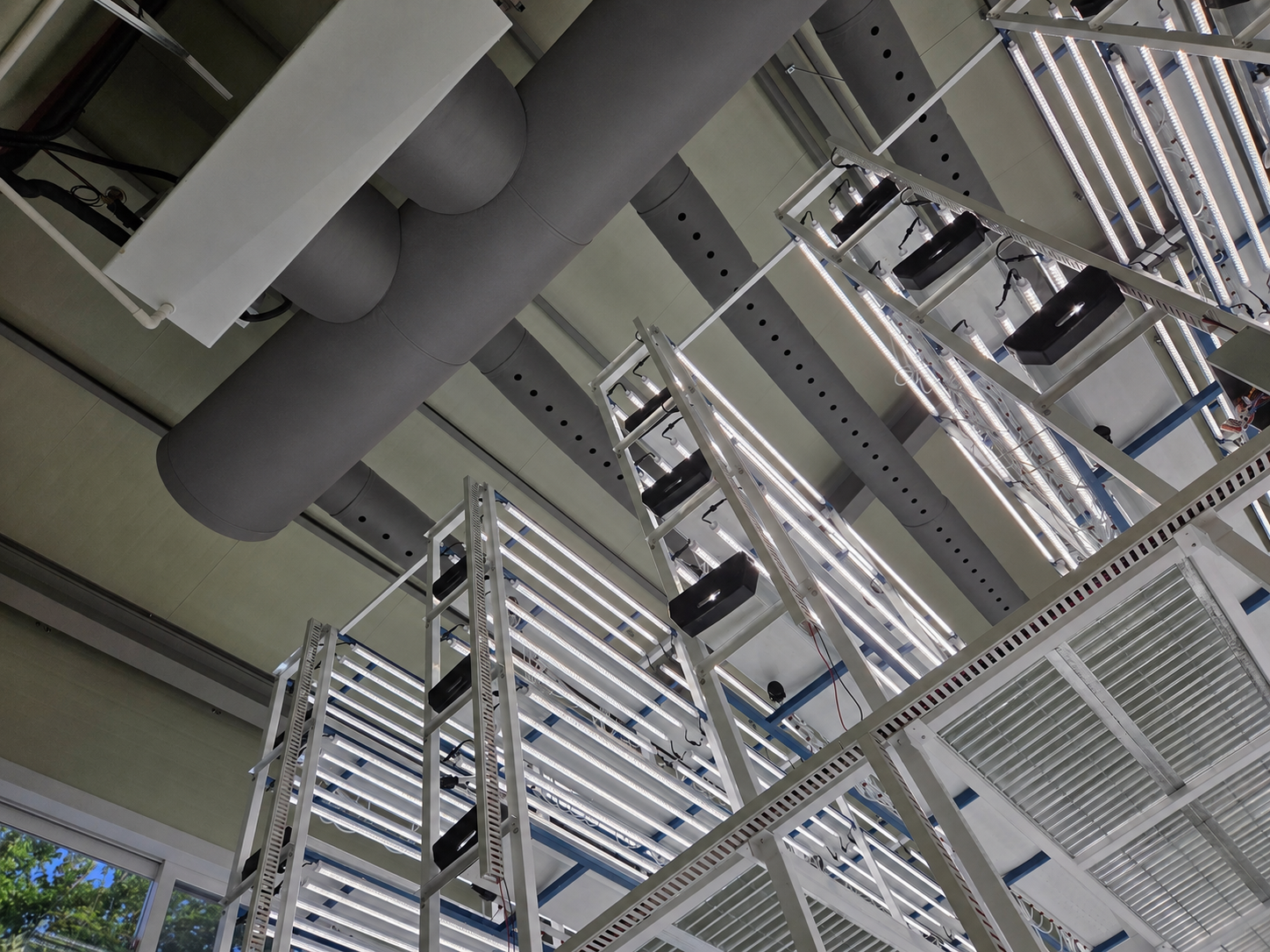
The facility was equipped with 5HP and 7.5HP cooling units on the left and right sides, respectively. However, operating the equipment without fabric ducts resulted in uneven distribution of cold air, causing temperature discrepancies between the two sides.
In the existing environment, temperature differences between the left and right zones reached approximately 4°C. Since growing conditions can vary by location even within the same strawberry cultivation area, uniform management of temperature and humidity for each tier was essential.
Even with sufficient cooling capacity, if air is not distributed evenly, it takes longer to reach the target temperature. This leads to longer equipment runtimes and increased electricity costs for cooling.
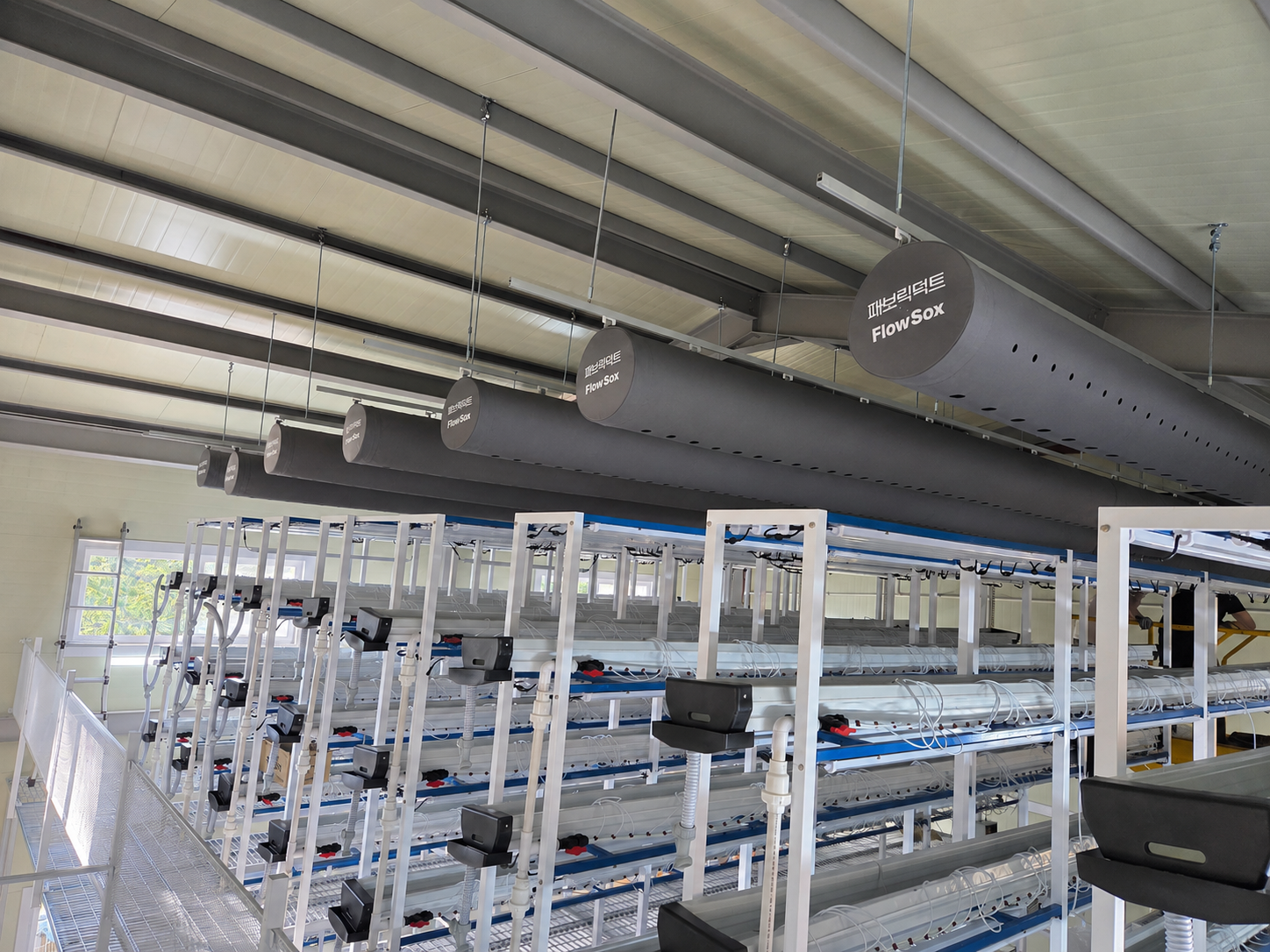
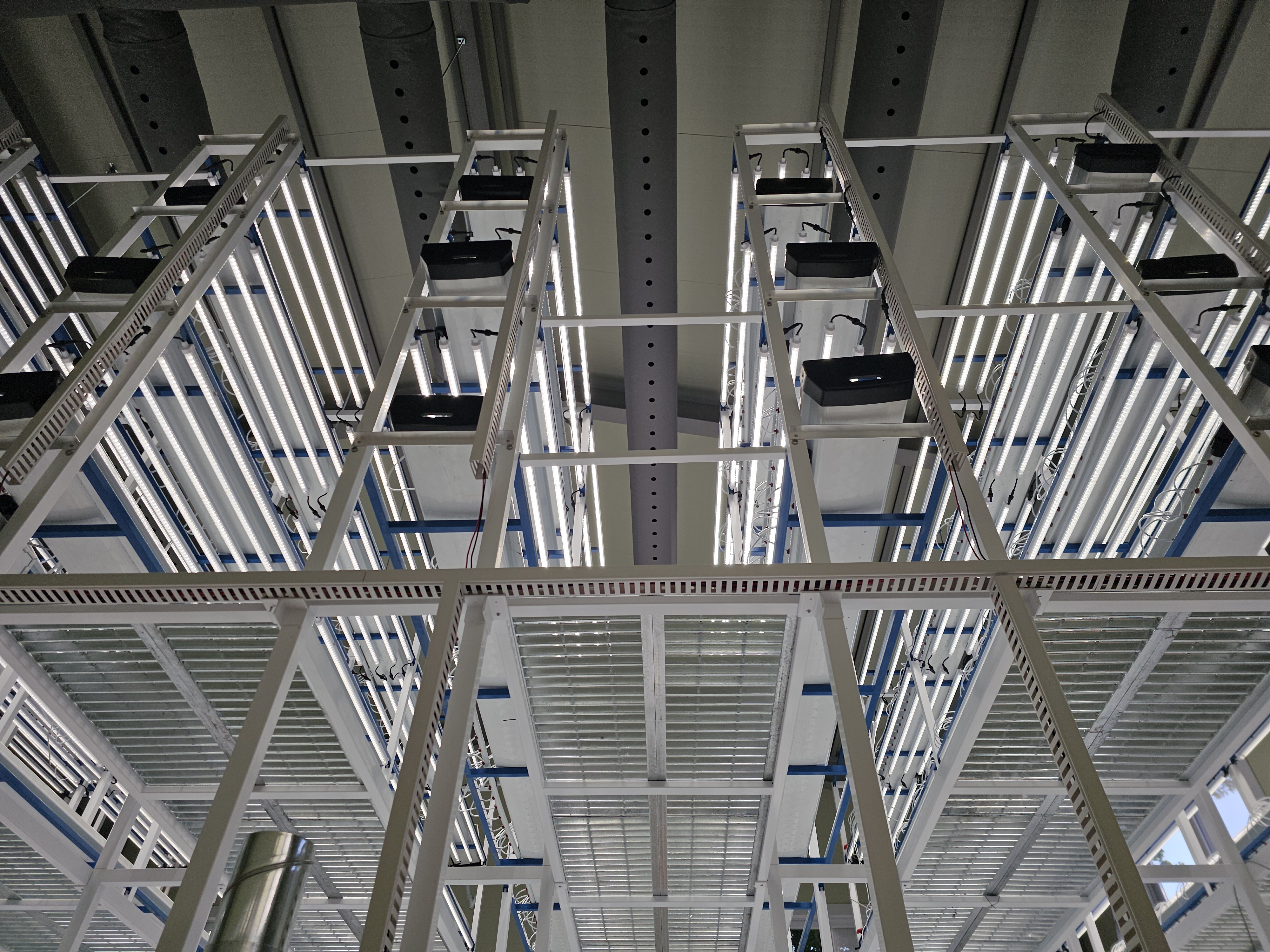
We installed fabric ducts customized for the 6-tier Jukhyang strawberry cultivation structure. The design ensures that cold air does not remain in specific areas but spreads across all tiers, focusing on reducing temperature and humidity variance by location.
We designed the duct discharge structure to ensure that air from the 5HP and 7.5HP cooling units on either side is delivered uniformly. This mitigated cooling imbalances caused by equipment placement and reduced temperature differences between the left and right cultivation zones.
By efficiently distributing air to the necessary cultivation spaces, we enabled faster cooling. After installing the ducts, the time required to reach the target temperature decreased, creating a structure that reduces both equipment runtime and electricity expenses.
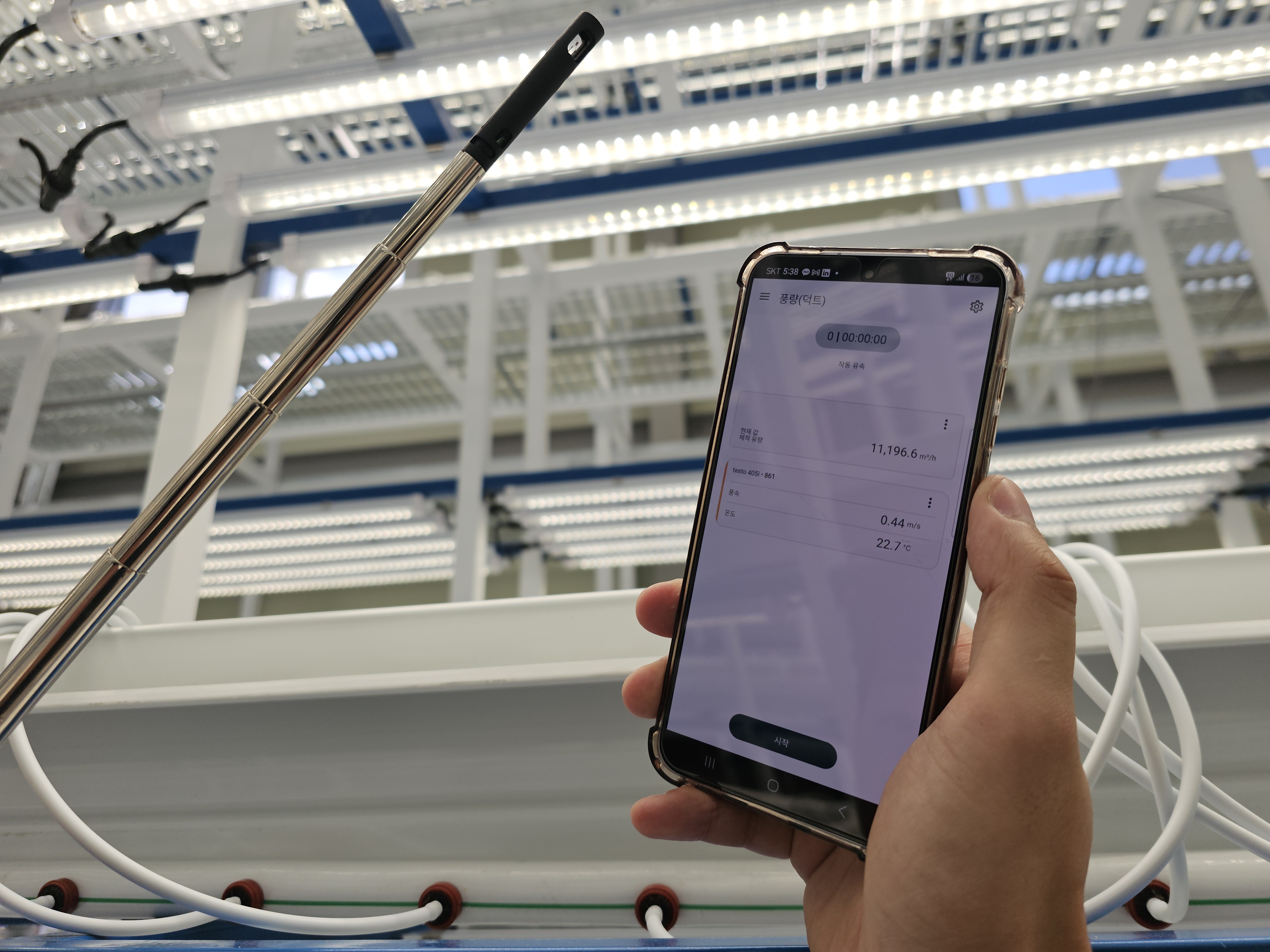
Before installing the fabric duct, temperature deviations of up to 4℃ occurred between the left and right sides, but this stabilized to within 1℃ after installation. We have implemented an HVAC structure that maintains a more uniform growing environment across all cultivation tiers.
As cool air is evenly distributed throughout the cultivation space, the time required to reach the target temperature has been reduced by approximately 20%. Rather than simply increasing the capacity of the cooling equipment, we improved the cooling response speed by optimizing air distribution efficiency.
By reducing the time needed to reach the target temperature, we were able to cut down on unnecessary operation time for the cooling equipment. This has contributed to lowering the burden of cooling electricity costs, which is a critical factor in smart farm operations.